
Product engineering for US TPA & Insurance teams
We build and modernize insurance platforms—claims intake and servicing, document workflows, integrations, and data/AI enablement— with security, auditability, and delivery velocity you can rely on.
Industries
TPA, carrier, insurtech
Engagement
Sprint → pod delivery
Controls
Security + auditability
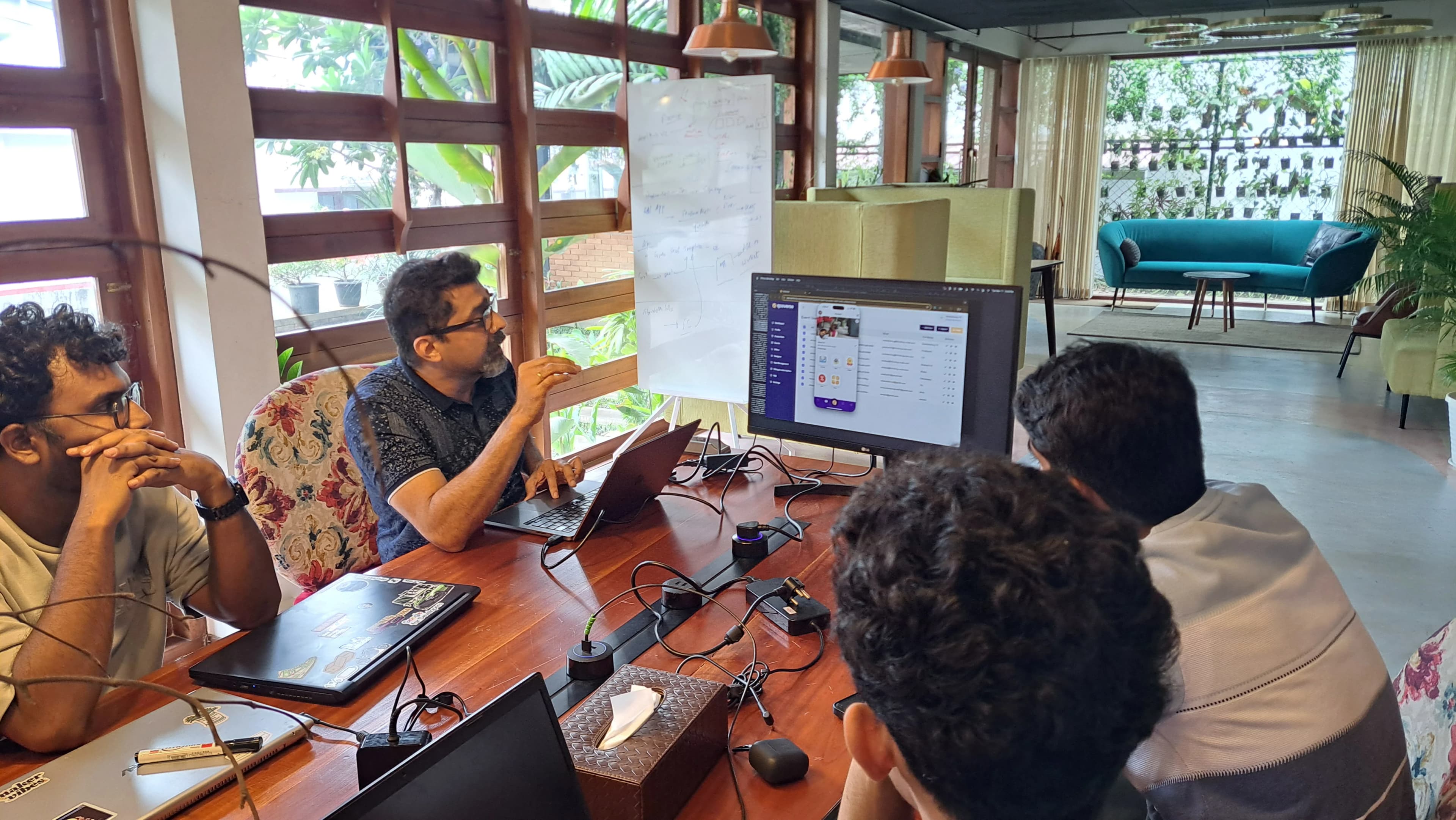
Discovery sprint → pod delivery
Start with one workflow. Ship measurable outcomes.
Services
Product engineering for US TPA/Insurance teams—modernization, integrations, and operational workflows shipped with strong controls.
Product engineering (end-to-end)
From roadmap to production: architecture, delivery, QA, and operations—so you can ship reliably and iterate fast.
Claims & servicing workflows
Build and modernize high-volume workflows (intake, triage, document ops, exceptions) with clear controls and measurable outcomes.
Integrations & platform plumbing
APIs, data pipelines, and system integrations across claims, policy, billing, documents, and third-party vendors.
Data + AI enablement
Make data usable: clean ingestion, governance patterns, and AI-ready workflows where automation is safe and auditable.
Security & compliance-ready delivery
RBAC, least-privilege patterns, encryption, and audit trails—designed for PHI/PII and regulated operations.
Quality, reliability & evidence
Test automation, observability, and traceability so teams can answer: what changed, what broke, and who approved it.
Industries & initiatives
Focused on US TPA/Insurance: claims operations, platform modernization, and (optionally) AI enablement with strong controls.
TPA & Claims operations
Intake, document workflows, triage, and servicing
Modernize and scale high-volume claims workflows with clean integrations, strong controls, and measurable cycle-time improvements.
Typical workflows
- New claim intake + document normalization (email, PDFs, portals)
- Queue routing + exception handling across TPA workflows
- Policy/coverage context surfaced for servicing teams
- Automation around missing information and follow-ups (human-approved)
What you get
- Structured claim packets ready for downstream systems
- Integration-ready APIs/events for routing + status
- Operational dashboards for throughput and exceptions
Controls
- Human approval gates where required
- End-to-end audit trail for key actions
- PII handling patterns (minimize, redact, restrict)
Insurance platform modernization
Core services, integrations, reliability
Build and modernize core services with pragmatic architecture and disciplined delivery—without breaking production operations.
Typical workflows
- Incremental modernization (strangler pattern where needed)
- API layer and integration strategy for vendor ecosystems
- Data ingestion + governance for reporting and analytics
- Reliability upgrades: monitoring, on-call readiness, performance
What you get
- Clear target architecture + delivery plan
- Working increments released on a predictable cadence
- Improved reliability with measurable SLOs
Controls
- Secure-by-default patterns and least-privilege access
- Change control and release governance
- Evidence for audits (what changed, when, and why)
AI enablement (optional, when it fits)
Operational automation with guardrails
Where AI makes sense, we implement it safely—grounded outputs, human review, and traceability—so it can run in production.
Typical workflows
- Document understanding and structured extraction
- Decision support with policy-aware checks
- Reviewer assist: summaries, comparisons, and evidence bundles
- Automation that escalates on low confidence
What you get
- Production-ready workflow integration (not just demos)
- Audit logs and evidence for key outputs
- Measurement framework for impact and risk
Controls
- Guardrails and required-field validation
- Human review gates for sensitive decisions
- Data boundaries and access control (RBAC)
Engagement models
Start small, prove value, then scale. Most teams begin with a sprint and expand into pod delivery.
Discovery sprint (2–4 weeks)
De-risk the build
A fixed-scope engagement to map the workflow, identify systems + constraints, and produce a delivery plan your team can execute.
- Current-state assessment + target architecture
- Prioritized backlog + roadmap with milestones
- Integration map (claims/policy/docs/vendors)
- Security/compliance requirements + controls
Dedicated engineering pod (monthly)
Scale delivery
A cross-functional team that ships continuously—ideal for modernization, new modules, and ongoing platform work.
- Predictable monthly cost and capacity
- Weekly demos, transparent backlog, measurable velocity
- Scale up/down by pod
- Quality + reliability baked into delivery
Project delivery (milestones)
Defined scope
Fixed-scope projects for migrations, integrations, and specific platform initiatives—delivered against agreed milestones.
- Clear scope + acceptance criteria
- Milestone-based delivery and governance
- Change control to prevent scope creep
- Handover + support options
Field Notes
Fresh thinking, shipped
Not marketing posts—operator notes. Patterns, guardrails, and the messy details of deploying AI into real workflows.
Operational AI isn’t chatbots. It’s queues, controls, and evidence.
2026-01-27If your AI doesn’t land in a queue, pass a policy gate, and leave an audit trail, it won’t survive regulated operations. Here’s the mental model we use.
Human-in-the-loop that actually ships
2026-01-26‘Put a human in the loop’ is not a plan. Here are the gates, escalation paths, and reviewer-load tricks we learned the hard way building regulated ops workflows.
Auditability: what to capture (and how to keep it sane)
2026-01-25Audit trails don’t mean storing everything. They mean storing the right evidence so you can explain decisions later—without creating new risk.
The Operational AI Field Manual
We’re building a public library of templates: guardrails checklist, audit log schema, and rollout playbook.
Trust & controls built-in
In regulated operations, “it worked once” isn’t enough. We design for repeatability: clear data boundaries, approvals, and evidence.
Compliance attestations (e.g., SOC 2) can be provided when applicable. We avoid over-claiming and focus on the controls you can verify.
Encryption
Access control
Oversight
Let’s start with a 2–4 week discovery sprint
Bring one TPA/Insurance workflow or platform initiative. We’ll map the systems, constraints, and milestones—then propose the right engagement (sprint → pod → delivery).
Prefer email? hello@thinkingcode.ai